Wisdom teeth are the last permanent molars to develop, and their arrival can be uneventful for some people. For others, limited space or an unfavourable position can contribute to recurring pain, swelling, or difficulty cleaning the area.
Patients searching for Wisdom Tooth Removal in HBR Layout should know that the presence of a wisdom tooth alone does not automatically mean it needs extraction. The decision depends on symptoms, position, surrounding tissues, and clinical findings.
When Can Wisdom Teeth Become Problematic?
A wisdom tooth may erupt completely, remain partially covered by gum, or stay impacted beneath gum or bone.
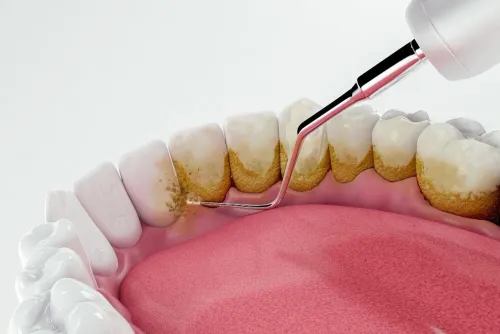
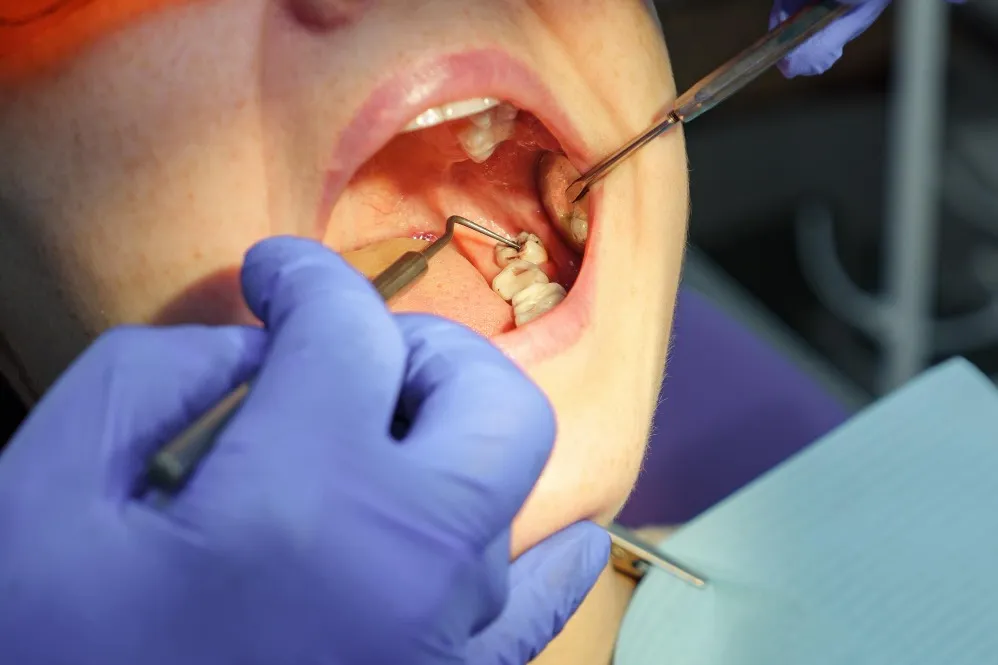
Partially erupted teeth can be difficult to keep clean because food debris and plaque may accumulate around the back of the mouth.
Signs that deserve dental evaluation include:
- Recurring pain behind the last molar
- Swollen or tender gum
- Difficulty cleaning around the tooth
- Unpleasant taste or persistent localised bad breath
- Pain when chewing
- Recurrent inflammation around a partially erupted tooth
- Decay affecting the wisdom tooth or adjacent tooth
Not every episode of discomfort has the same cause, which is why examination is important.
Why Is Dental Imaging Often Used?
The visible part of a wisdom tooth does not reveal its entire position.
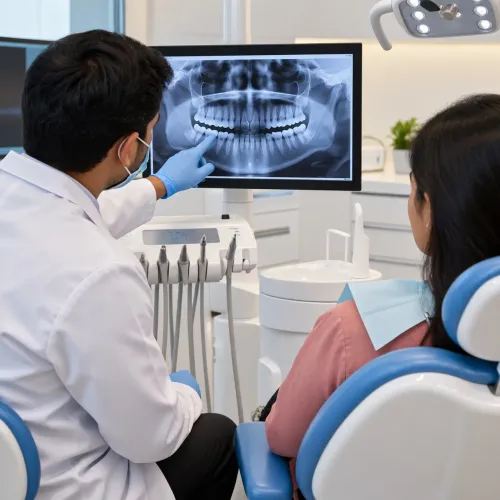
Dental imaging may help the dentist assess the tooth’s roots, angle, relationship with nearby teeth, surrounding bone, and other anatomical structures.
This information can influence whether removal is appropriate and how the procedure should be planned.
Does Every Impacted Wisdom Tooth Need Removal?
No single rule applies to every patient.
Some wisdom teeth remain symptom-free and may be monitored according to clinical circumstances. Others may be associated with recurrent inflammation, decay, damage to neighbouring teeth, or other concerns that make removal appropriate.
The dentist should explain why extraction is being recommended rather than basing the decision solely on the fact that a wisdom tooth is present.
What Happens During Removal?
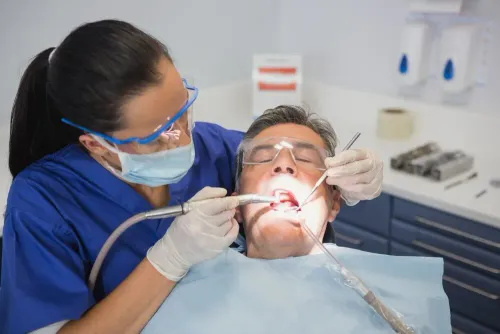
The procedure varies depending on whether the tooth has fully erupted or remains partly or completely impacted.
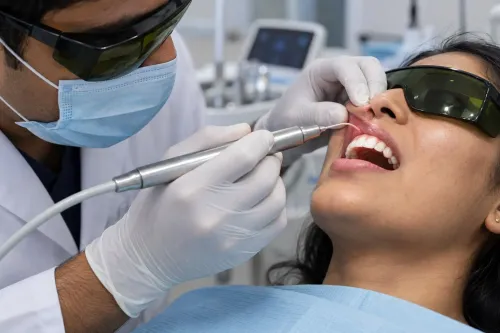
Local anaesthesia is used to manage discomfort during the procedure. More complex positions may require a surgical approach to access and remove the tooth.
Afterward, patients typically receive instructions covering bleeding control, food choices, oral hygiene, and medication when prescribed.
What Should You Avoid After Extraction?
Patients should follow the specific instructions provided by their dentist. General aftercare commonly focuses on protecting the extraction site during early healing.
Avoiding unnecessary disturbance of the area is important. Smoking and tobacco use can interfere with healing and should be discussed with the treating dentist.
Temporary swelling and discomfort can occur after removal. Persistent heavy bleeding, worsening swelling, fever, severe or increasing pain, breathing or swallowing difficulty, or other concerning symptoms require prompt assessment.
Planning Wisdom Tooth Care in Bengaluru
People around HBR Layout often wait until wisdom-tooth discomfort interferes with work, sleep, or eating before arranging an appointment. Earlier evaluation can provide a clearer picture of whether the tooth simply needs monitoring or whether intervention should be considered.
Atlas Dental Clinic provides dental assessment for patients experiencing wisdom-tooth concerns in the Bengaluru area.
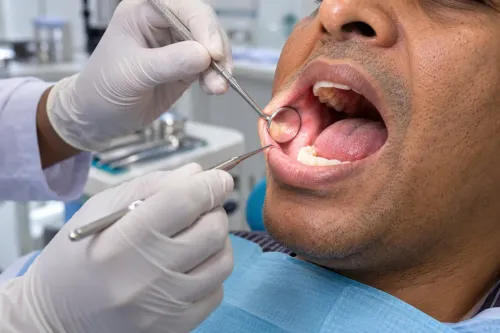
Wisdom tooth removal should be based on clinical need, not assumption. If a back tooth repeatedly becomes painful, swollen, difficult to clean, or associated with food trapping, an examination can determine the source of the problem and whether extraction, local treatment, or continued monitoring is appropriate.
Keywords