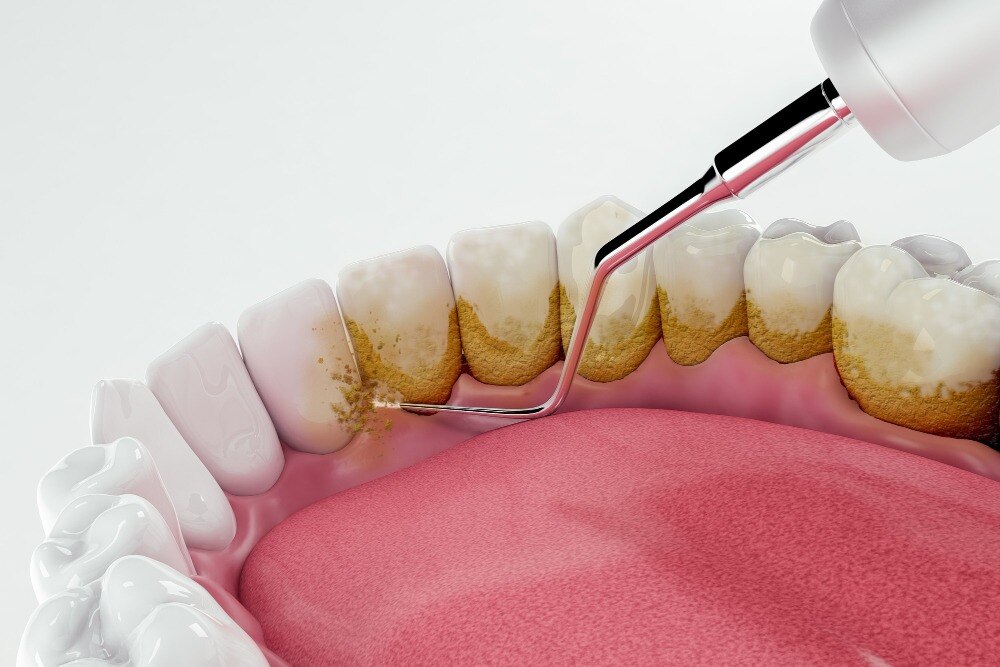
A low-cost cleaning package does not tell you whether you need a routine scale and polish, gumline treatment or periodontal scaling and root planing. By matching your symptoms and examination findings to the treatment level, you can choose the right appointment and avoid paying for polishing that leaves gum disease untreated.
Key takeaways
- Choose scaling for tartar, polishing for surface stains, and periodontal care for gum infection.
- Ask what the examination found before accepting a cleaning package.
- Routine cleaning is not enough when you have deep pockets, bleeding, swelling, or loose teeth.
- Set cleaning intervals according to gum health, smoking, diabetes, braces, and tartar buildup.
Match the cleaning to what is on your teeth and gums
Choose routine scaling when you have plaque or hardened tartar above the gumline, stain removal when the main concern is surface discolouration, and periodontal treatment when infection extends below the gums.
Scaling removes soft plaque and calculus, also called tartar, from tooth surfaces. Polishing removes some coffee, tea, tobacco and food stains and smooths deposits; it cannot remove calculus or treat gum disease.
Look for these clues before booking:
- Routine cleaning: visible tartar, mild bleeding during brushing, no loose teeth and shallow gum measurements.
- Stain removal: brown or yellow surface marks with little tartar and healthy-looking gums. Polishing teeth at dentist may improve appearance, but aggressive polishing can increase sensitivity or roughen exposed roots and fillings.
- Periodontal assessment: spontaneous or persistent bleeding, swollen gums, bad breath that returns, gum recession, tooth mobility or pockets that trap food.
- Deeper treatment: subgingival calculus or deeper periodontal pockets, where scaling and root planing or periodontal debridement may require local anaesthetic, separate areas and a follow-up measurement.
For scaling and polishing in Bangalore, choose a clinic that examines your gums before selling a package. Ask whether it will record pocket depths, check cavities and mobility, and take radiographs when indicated. A cosmetic polish alone can leave active gum infection untouched.
What happens during a professional cleaning appointment
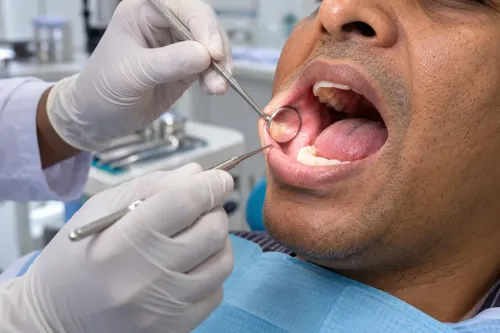
A sound appointment starts with an examination, not a package selection. Before cleaning, the dentist should review your medical history, ask about pacemakers, respiratory disease, pregnancy, recent surgery and current treatment, then inspect bleeding, gum recession, pocket depths, tooth mobility, cavities and visible tartar.
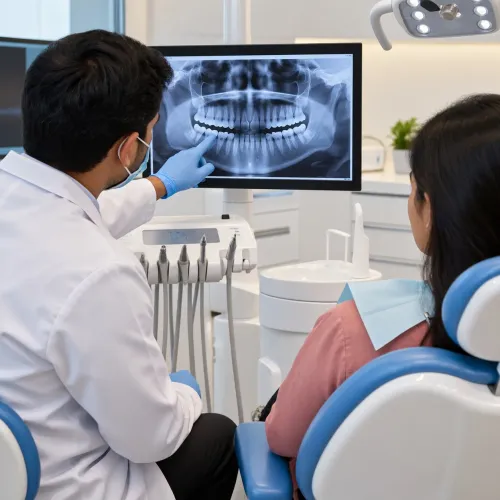
X-rays are needed when decay, bone loss, hidden infection or deposits below the gumline cannot be assessed by sight.
- The clinician explains the proposed treatment: routine prophylaxis for above-gum plaque and calculus, stain removal for external discoloration, periodontal debridement for deposits below the gumline, or scaling and root planing for deeper infected pockets. These services are not interchangeable.
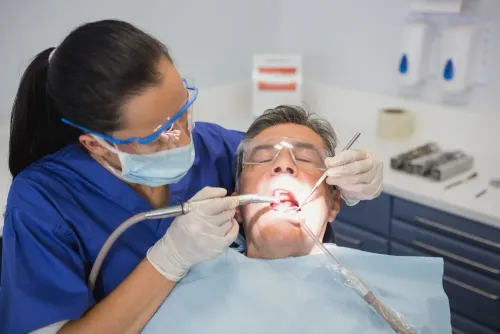
- Ultrasonic scaling uses vibration and water to break up hardened calculus. The clinician follows with hand instruments to detect and remove deposits the powered tip cannot reach. Scaling removes plaque and tartar; polishing removes surface stains and residual roughness, not active gum disease.
- The team rinses the mouth, checks that deposits are gone and reviews any sensitive or bleeding areas. Bleeding commonly reflects inflamed gums rather than damage from scaling, but spontaneous or persistent bleeding needs periodontal assessment.
Afterward, you should receive brushing and interdental-cleaning instructions, including care around bridges or braces. Polishing cannot stop new calculus after plaque mineralises, so daily fluoride brushing and cleaning between teeth remain essential. When comparing teeth cleaning Bangalore clinics, choose the one that records these findings and explains why its treatment fits them.
Know when routine cleaning is not enough
A standard scale and polish is not enough when examination finds bleeding sites with calculus below the gumline or periodontal pockets that remain inflamed.
Healthy gum spaces are usually 1–3 mm deep; a 4 mm pocket with bleeding needs closer assessment, while pockets of 5 mm or more with subgingival calculus often require periodontal debridement or scaling and root planing.
Ask a professional teeth cleaning clinic to confirm:
- Whether the bleeding is limited to plaque-related gingivitis or occurs spontaneously and persists after improved brushing and interdental cleaning.
- The pocket depth around each tooth, along with gum recession, tooth mobility, pus, bone loss and cavities.
- Whether X-rays are needed to check bone support or calculus that cannot be seen above the gumline.
- Whether the proposed treatment is routine prophylaxis, below-gum debridement, or scaling and root planing. These labels are not interchangeable.
- Whether treatment will use local anaesthetic, cover separate areas or quadrants, require more than one visit, and include reassessment.
Bleeding during scaling does not prove that cleaning damaged healthy gums; inflamed tissue bleeds easily. Persistent or spontaneous bleeding needs periodontal assessment, not repeated polishing alone. Polishing removes some external stain, but it cannot remove hardened calculus or treat infection inside a pocket.
After treatment, brushing twice daily with fluoride toothpaste and cleaning between teeth control the plaque that causes new tartar.
Set the cleaning interval around your risk factors
A six-month cleaning suits many adults with healthy gums, low decay risk and effective daily plaque control. Book more often when your risk is higher, rather than following a clinic’s fixed package interval. People with previous periodontal disease often need maintenance every three to four months, based on gum measurements and calculus return.
Shorten the interval if you have any of these:
- A history of gum disease or deep gum pockets
- Calculus that returns quickly
- Smoking or tobacco use
- Diabetes that is not well controlled
- Braces, retainers or other appliances that trap plaque
- Difficulty cleaning between teeth, under bridges or around implants
Between visits, brush twice daily with fluoride toothpaste and clean between your teeth every day. Use interdental brushes, floss or a water flosser according to the spaces and appliances you have. Plaque reforms after cleaning; if you leave it in place, it can harden into calculus that home care cannot remove.
Reduce post-cleaning sensitivity by telling the clinician about exposed roots, enamel wear, cracks or untreated decay before scaling. Appropriate instrument settings, gentle technique and avoiding unnecessary polishing on root surfaces protect sensitive areas. Ask whether desensitising toothpaste or fluoride is suitable. Persistent sensitivity, pain or spontaneous bleeding needs assessment rather than repeated polishing.
Compare Bangalore clinics by treatment plan, not package price
Compare the treatment plan, not the advertised price, when choosing a dental scaling near me. A professional teeth cleaning clinic should examine your mouth before naming a service or promising a fixed recall interval.
| Option | What it means | When it fits |
|---|---|---|
| Routine prophylaxis | Removes plaque and calculus above the gumline, followed by polishing | Healthy gums or mild inflammation with no deep pockets |
| Stain removal | Polishing or stain-focused cleaning | Coffee, tea or tobacco stains without significant tartar |
| Periodontal debridement | Removes heavier deposits above and below the gumline | Widespread buildup, bleeding or inflamed gums |
| Scaling and root planing | Deep cleaning of root surfaces, often by sections | Periodontal pockets, bone loss or tartar below the gumline |
- Did you record bleeding, pocket depths, recession and tooth mobility?
- Do cavities or a radiograph need checking before cleaning?
- Which areas require ultrasonic scaling, and where will hand instruments be used?
- Does the quote include polishing, or only scaling?
- What result will show that treatment worked, and when is maintenance due?
A low-cost polish is the wrong comparison if calculus remains under your gums. The interval should reflect your plaque control, smoking, diabetes, orthodontic appliances, caries risk and history of periodontal disease—not a package’s fixed promise.
Atlas Dental Clinic can be assessed by the same questions: ask what the examination found and why the proposed service matches it.
Related service
Scaling & Polishing At Atlas Dental Clinic, Kammanahalli, Bangalore, we offer professional scaling and polishing (teeth cleaning) services to maintain optimal oral... View service → |
Frequently asked questions
Which type of dental cleaning do I need?
Choose routine scaling for plaque and hardened tartar above the gumline, polishing for surface stains, and periodontal treatment when infection extends below the gums.
What happens during a professional teeth cleaning appointment?
A dentist or hygienist examines your teeth and gums, removes plaque and tartar with instruments or an ultrasonic scaler, polishes surface stains, and explains any follow-up care.
When is routine scaling not enough?
Ask for a periodontal assessment when you have persistent bleeding, gum swelling, bad breath, deep gum pockets, gum recession, loose teeth, or tartar below the gumline.
How often should you schedule teeth cleaning?
Set the interval around your tartar buildup, gum health, smoking, diabetes, orthodontic appliances, home-care routine, and previous periodontal treatment.
How should you compare dental cleaning clinics in Bangalore?
Compare the examination, named treatment, gum assessment, clinician’s explanation, aftercare, and follow-up plan instead of choosing solely by package price.
Keywords