A screening visit is usually a short examination of the mouth, throat, jaw and neck, not a procedure involving drilling or injections. You will know what to bring, what the dentist checks, which symptoms need prompt attention and what happens if an area requires further testing.
Key takeaways
- Expect an examination of your mouth, tongue, gums, cheeks and nearby tissues.
- Allow time for questions, symptom review and a full visual and physical examination.
- Persistent sores, patches, lumps, numbness or unexplained bleeding need prompt assessment.
- An abnormal area may require monitoring, referral or a biopsy for diagnosis.
What the dentist checks during the appointment
The dentist checks the entire mouth and nearby tissues, not just a sore spot. The appointment usually follows five steps:
1. They ask about tobacco, areca nut or gutkha, alcohol, previous oral lesions or cancer, human papillomavirus-related disease and symptoms such as ulcers, lumps, bleeding, numbness or swallowing difficulty.
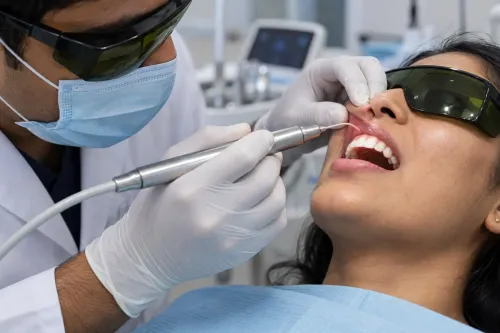
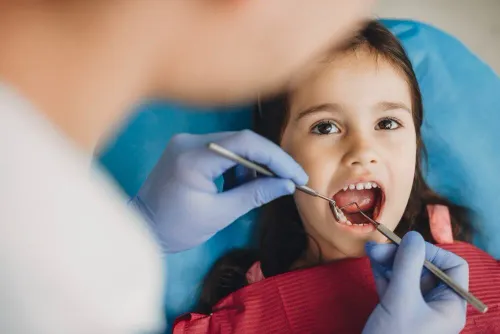
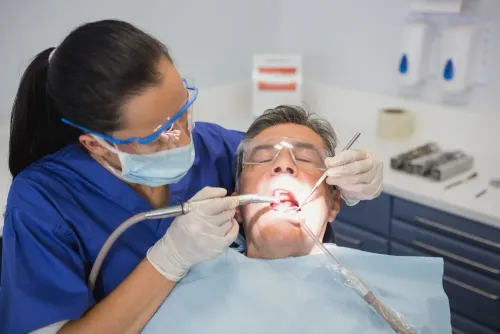
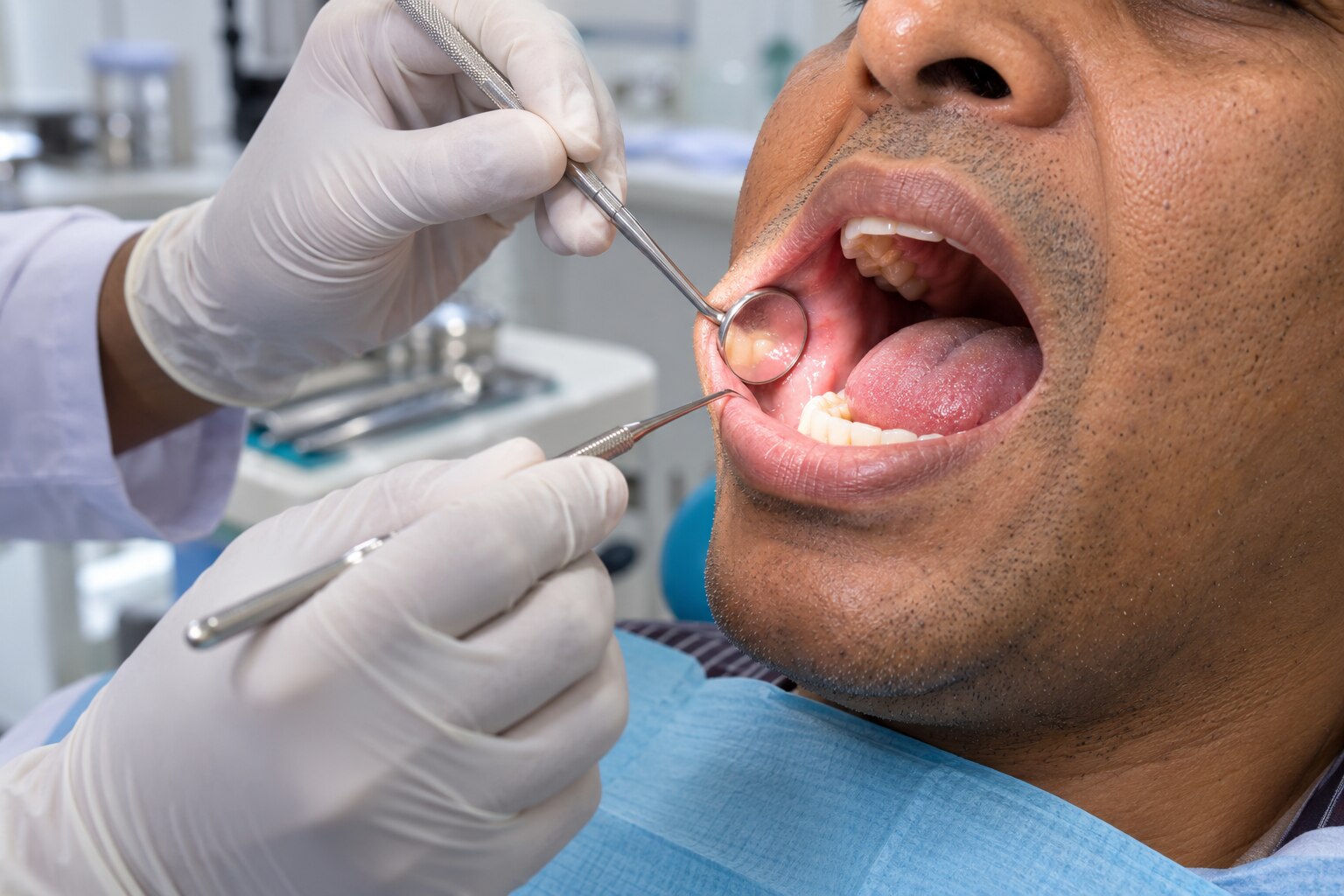
2. Using a bright light, gloves and a small mouth mirror, they inspect the lips, inner cheeks, gums, tongue, floor of the mouth, roof of the mouth and tonsillar area. They look for ulcers, red or white patches, thickened tissue, unexplained bleeding, swelling and changes that do not match normal anatomy.
3. They ask you to move your tongue so they can examine its sides and underside, where concerning changes can be easy to miss. They also check areas irritated by a sharp tooth, filling or denture.
4. They gently feel the jaw, floor of the mouth and neck for firm, fixed or enlarged lymph nodes, tenderness or a thickened area. Visual inspection alone is incomplete.
5. If they find a lesion, they record its location, size, colour and appearance, then explain whether removing an irritant and arranging a short-interval review is suitable or whether referral is needed.
A routine oral cancer screening bangalore appointment uses no injection, drilling, X-ray or anaesthesia. A biopsy is a separate procedure used to diagnose suspicious tissue; a visual exam or rinse cannot confirm cancer.
How long screening takes and how to prepare
1. Allow about 15 to 30 minutes for an oral screening appointment in Bangalore, including a short risk and symptom history. Bring a list of your regular medicines and mention tobacco, areca nut or gutkha, alcohol use, previous oral lesions, and any persistent mouth or throat change.
2. You do not need to fast. Eat, drink, brush your teeth and take prescribed medicines as usual unless another procedure has been booked. Do not stop blood thinners, diabetes medicines or other treatment without instructions from the prescribing clinician.
3. Expect a comfortable examination with a bright light, dental mirror, gloves, gauze and sometimes a tongue depressor. The clinician may ask you to move your tongue or hold it gently with gauze while checking the mouth and feeling the jaw, neck and lymph nodes.
4. A routine screen does not normally require anaesthesia, injections, drilling, X-rays or an invasive procedure. There is no standard blood test that rules out oral cancer during this visit.
5. If an area looks unusual, the dentist may photograph or document it, remove an irritant such as a sharp tooth, and arrange a review. A biopsy, X-ray, scan or specialist referral is a separate decision; ask what happens next before leaving.
Which symptoms should prompt a screening visit
Book a visit with a mouth cancer screening dentist if a mouth sore, patch or other change lasts longer than two weeks. Do not keep applying home remedies to an ulcer that returns, enlarges or fails to heal. Persistent symptoms deserve assessment even when they are painless.
| Change | What to do | Why not wait |
|---|---|---|
| Persistent ulcer or sore | Book an examination after two weeks | Healing has not followed the expected course |
| Red, white, or red-and-white patch | Arrange prompt assessment | Colour changes can mark abnormal tissue |
| Lump, thickening, bleeding, or a loose tooth without an obvious cause | Book promptly | A deeper lesion or gum-area problem needs examination |
| Numbness, unexplained pain, or a denture that no longer fits | Request an examination | Tissue swelling or altered sensation can change fit and function |
| Persistent hoarseness, sore throat, difficulty swallowing, or a feeling that something is stuck | Seek dental or medical assessment | The throat and nearby tissues also need checking |
Seek urgent care for trouble breathing, inability to swallow fluids, or rapidly increasing swelling. These symptoms need immediate attention, not a routine appointment.
Tell the clinician about tobacco, vaping, areca-nut or gutkha use, alcohol, previous mouth lesions and how long the change has been present. A normal-looking surface does not cancel a persistent symptom; the dentist can feel the area and neck tissues and arrange follow-up if it remains abnormal.
What happens when the dentist finds an abnormal area
An abnormal patch, ulcer, lump or firm area does not automatically mean cancer. The dentist may find a sharp tooth, denture injury, fungal infection or inflammation, remove the likely irritant and arrange a review after a short interval.
A persistent or suspicious lesion needs tissue diagnosis or specialist assessment, not reassurance from a visual check alone.
| Option | What it means | When it applies |
|---|---|---|
| Routine examination | The dentist inspects the mouth and palpates suspicious tissue, jaw and neck lymph nodes. | At a preventive visit; it identifies areas needing follow-up but does not diagnose cancer. |
| Biopsy | A clinician removes part or all of the lesion for laboratory examination. | Usually required when cancer or a precancerous change remains possible. |
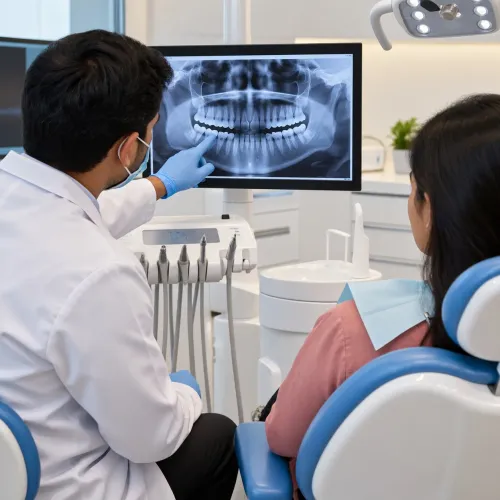
| Imaging | X-ray, ultrasound, CT or MRI shows deeper structures and involved tissues. | Used when the examination suggests a deeper lesion, bone involvement or enlarged neck nodes. |
| Referral | An oral-medicine specialist, oral surgeon or ENT clinician performs further assessment. | Used when the lesion needs specialist examination, biopsy or coordinated treatment. |
Before booking, ask the clinic:
- Does the screening include the lips, tongue, floor of the mouth, throat area, jaw and neck lymph nodes?
- Who performs a biopsy if the area remains suspicious, and where is the specimen tested?
- Will you photograph or record the lesion’s exact site, size and appearance for follow-up?
- Can you arrange referral to an oral-medicine specialist, oral surgeon or ENT clinician?
Atlas Dental Clinic is one example of a clinic to question about its abnormal-finding follow-up pathway, not only the examination itself.
Related service
Oral Cancer Screening At Atlas Dental Clinic, Kammanahalli, Bangalore, we offer comprehensive oral cancer screening to detect early signs of abnormalities and ensure... View service → |
What screening can and cannot confirm
A normal screening result does not prove that cancer is absent, and an abnormal result does not prove that cancer is present. Screening is a visual and physical assessment, not a tissue diagnosis.
1. A normal examination lowers concern but cannot rule out a small, hidden or developing lesion. Report any ulcer, lump, numbness, bleeding, colour change or swallowing difficulty that persists or returns, even after a normal visit.
2. An abnormal area may result from a sharp tooth, denture injury, fungal infection, inflammation or another benign condition. The dentist may remove the irritant, record the lesion’s location and size, photograph it, and arrange a short-interval review.
3. If the area remains, grows or looks suspicious, a biopsy usually establishes whether it is precancerous or cancerous. An oral rinse, light-based device or visual aid cannot replace tissue diagnosis, and there is no routine blood test that rules out oral cancer.
4. Keep the review, biopsy or referral appointment on schedule. Ask whether the clinic provides an oral-medicine, oral-surgery or ENT referral when needed.
When searching for “oral cancer screening near me”, ask whether the visit includes a documented follow-up plan and what happens after an abnormal finding. Stop tobacco and areca-nut products, limit alcohol, and seek prompt assessment for new changes; screening cannot offset continued exposure to these risks.
Frequently asked questions
What does a dentist check during an oral cancer screening appointment?
The dentist examines the mouth and nearby tissues, including the tongue, gums, cheeks and other areas, rather than checking only a sore spot.
How long does an oral cancer screening take, and how should I prepare?
The article explains the expected appointment time and preparation steps, including what information to share with the dentist.
Which symptoms should prompt an oral cancer screening visit?
Persistent sores, unusual patches, lumps, numbness, unexplained bleeding and other changes that do not resolve should prompt a screening visit.
What happens if the dentist finds an abnormal area?
The dentist explains the finding and may recommend monitoring, further assessment, referral or a biopsy, depending on the area and examination.
Can an oral cancer screening confirm cancer?
Screening identifies signs that need attention but cannot confirm cancer on its own. A biopsy and laboratory examination are required for diagnosis.
Keywords