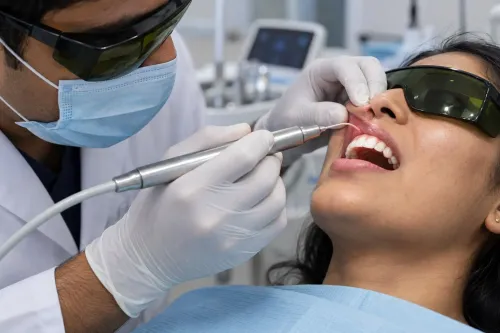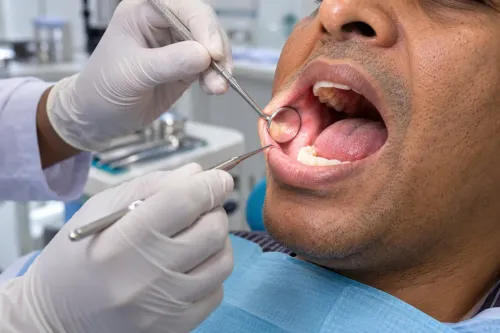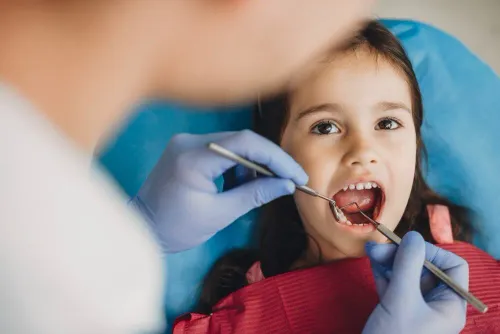
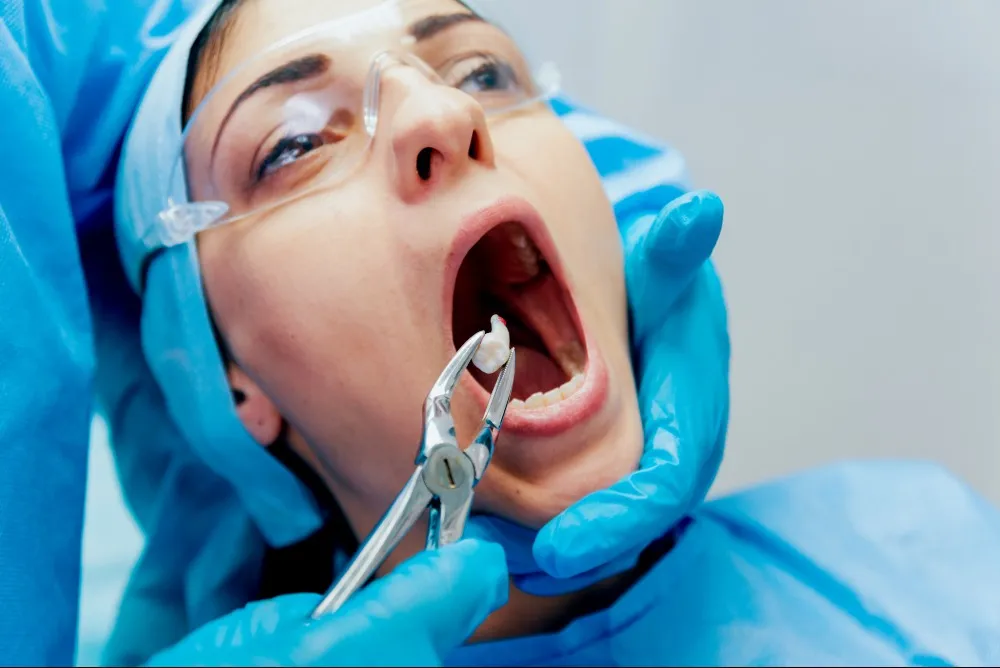
Wisdom teeth are the last set of permanent molars to develop, usually appearing between the ages of 17 and 25. While some wisdom teeth erupt normally without causing any issues, many become impacted or grow at an angle because there isn't enough space in the jaw. In these situations, Wisdom Tooth Removal may be recommended to prevent pain, infection, and damage to nearby teeth.
Many people postpone treatment because they assume wisdom tooth removal is only necessary when severe pain develops. However, dentists often recommend removing problematic wisdom teeth before complications become more serious.
What Is an Impacted Wisdom Tooth?
An impacted wisdom tooth is one that cannot fully emerge through the gums due to limited space or an improper angle of eruption.
A wisdom tooth may be:
- Fully impacted inside the jawbone
- Partially erupted through the gums
- Growing sideways
- Pressing against the neighbouring tooth
- Trapped beneath the gum tissue
Not every impacted tooth causes immediate symptoms, which is why routine dental examinations are important.
Common Signs You May Need Wisdom Tooth Removal
Although only a dentist can confirm whether removal is necessary, several symptoms may indicate a developing problem.
These include:
- Pain at the back of the mouth
- Swollen or tender gums
- Difficulty opening the mouth fully
- Jaw discomfort
- Food getting trapped around the tooth
- Repeated gum infections
- Bad breath caused by trapped bacteria
If left untreated, impacted wisdom teeth can contribute to decay, gum disease, and damage to adjacent teeth.
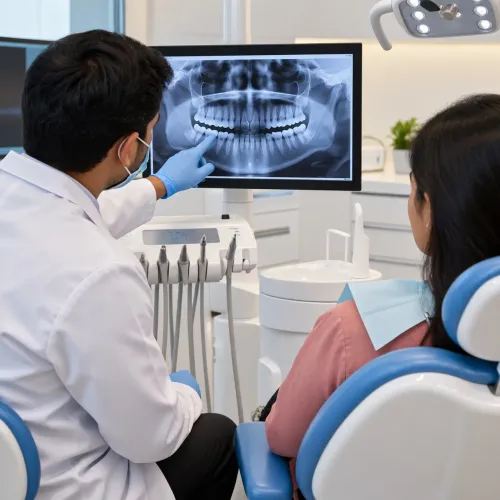
How Dentists Evaluate Wisdom Teeth
Before recommending removal, your dentist performs a thorough assessment.
This generally includes:
- Clinical examination
- Digital dental X-rays
- Evaluation of tooth position
- Assessment of surrounding bone
- Review of gum health
These findings help determine whether monitoring or extraction is the most appropriate option.
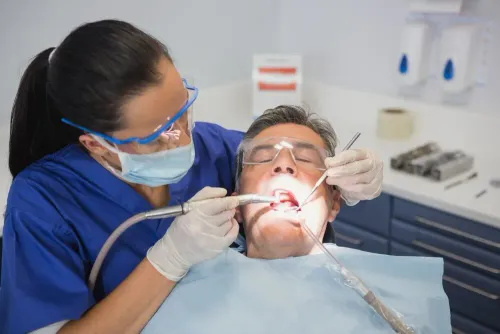
What Happens During Wisdom Tooth Removal?
The procedure depends on whether the tooth has fully erupted or remains impacted beneath the gum.
Treatment usually involves:
- Local anaesthesia to ensure comfort.
- Careful access to the tooth.
- Removal of the tooth, sometimes in smaller sections.
- Cleaning of the area.
- Placement of stitches if required.
Modern surgical techniques and improved anaesthesia have made wisdom tooth removal much more comfortable than many people expect.
Recovery After the Procedure
Most patients recover smoothly by following their dentist's instructions.
Helpful recovery tips include:
- Apply cold packs during the first day.
- Eat soft foods for a few days.
- Avoid smoking and alcohol.
- Keep the extraction area clean.
- Take prescribed medication as directed.
- Attend follow-up appointments if advised.
Mild swelling and discomfort are common during the initial healing period and usually improve within a few days.
Can Wisdom Teeth Be Left Alone?
Not every wisdom tooth requires extraction.
If the tooth:
- Erupts normally
- Can be cleaned properly
- Does not affect neighbouring teeth
- Shows no signs of disease
your dentist may simply recommend regular monitoring.
Routine dental check-ups help identify any future changes that may require treatment.
Why Timely Treatment Is Beneficial
Residents across Bengaluru increasingly seek early evaluation of wisdom teeth instead of waiting for severe pain or infection. Early diagnosis often allows dentists to plan treatment before complications affect neighbouring teeth or surrounding gum tissue.
Preventive care reduces the likelihood of emergency dental visits and supports better long-term oral health.
Choosing an Experienced Dental Provider
Wisdom tooth removal requires careful planning, accurate diagnosis, and appropriate surgical techniques. Atlas Dental Clinic offers comprehensive assessments using modern diagnostic technology to determine whether extraction is necessary and to ensure every procedure is planned according to the patient's specific needs. By focusing on patient comfort, safety, and long-term oral health, the clinic helps individuals manage impacted wisdom teeth with confidence.
Keywords