Your first braces visit is a diagnostic appointment, not simply a conversation about making front teeth look straighter. You will leave better prepared when you know which records are needed, whether your teeth and gums are ready, what the fitting involves, and which questions reveal the true time and cost of treatment.
Key takeaways
- Bring your medical, dental and previous orthodontic treatment history.
- Treat decay, gum disease and necessary extractions before fitting braces.
- Expect pressure during fitting, with soreness after wire adjustments.
- Confirm treatment time, total visits, fees and retainer plans before starting.
What happens at a braces consultation in Kammanahalli?
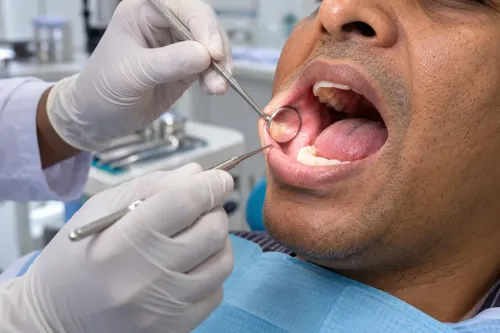
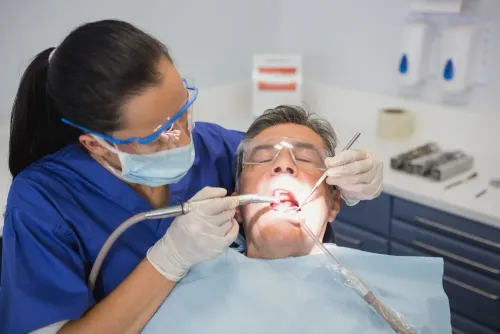
A braces consultation in Kammanahalli usually begins with your medical and dental history, not a decision based on front teeth alone. Tell the orthodontist about previous orthodontic treatment, medicines, allergies, jaw pain, gum problems and tooth problems. They will examine your teeth, gums, bite and jaw relationship.
The examination may include:
- Crowding, spacing, rotated teeth and dental midlines
- Overbite, overjet, underbite, crossbite and open bite
- Chewing contacts, jaw growth and the position of teeth in supporting bone
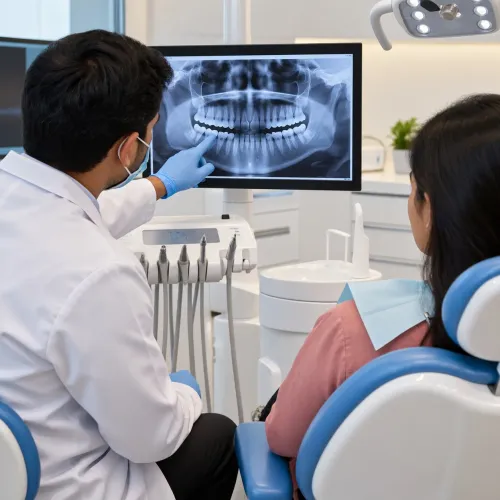
Diagnostic records may be taken during the first visit or scheduled separately. They can include profile and intraoral photographs, a digital scan or traditional impressions, and dental X-rays to assess roots, unerupted teeth, bone levels and jaw relationships. A 3-D CBCT scan is not routine for every patient.
Ask why it is needed and how its additional information will change your treatment plan.
For a braces appointment in Bangalore, bring previous X-rays, dental records, a list of medicines, allergy information and your main treatment goals. Ask whether the quoted fee includes diagnostic records and whether your next visit is for treatment planning, cleaning, fillings or appliance fitting.
Also confirm whether records are taken on the day, and whether the consultation is with the orthodontist who will diagnose and supervise your treatment rather than a plan based only on an online photograph.
Do your teeth need treatment before braces, and which appliance fits?
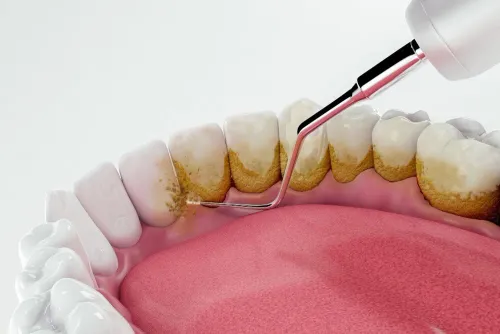
Treat active cavities, broken fillings, untreated gum disease and significant inflammation before bonding fixed brackets. Brackets and wires trap plaque, so poor oral health can worsen during treatment; a professional cleaning can improve readiness.
Permanent-tooth extraction is not automatic. If proposed, ask which crowding or protrusion problem it solves, how it could affect your facial profile, whether gum and bone limits support the plan, and which alternatives were considered.
Straight-looking front teeth are not the whole target: planning must account for overbite, overjet, crossbite, open bite, midlines, chewing contacts, root positions and bone support.
The appliance should match your diagnosis, age, growth, oral hygiene, appearance priorities and budget. Compare the main choices before agreeing:
| Option | Strength | Limitation |
|---|---|---|
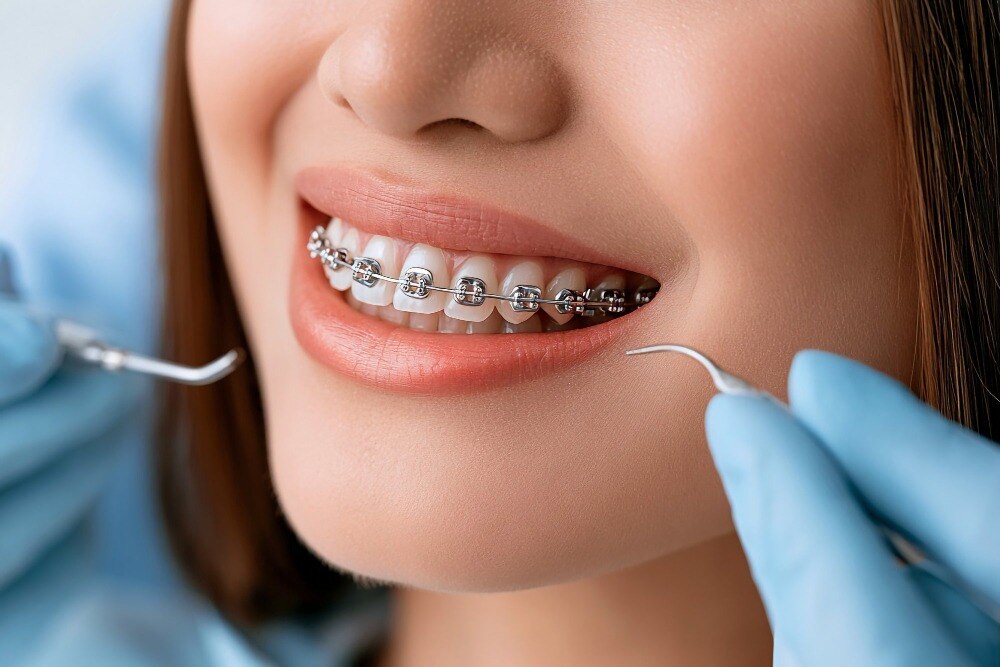
| Metal braces | Strong, visible control for many movements | Most noticeable |
| Ceramic braces | Less noticeable appearance | Need careful cleaning and are less forgiving of breakage |
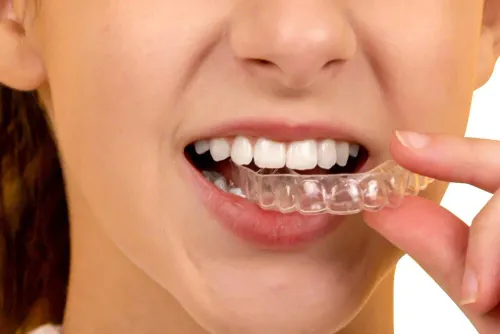
| Clear aligners | Removable and discreet | Require consistent wear and may not suit complex bites or rotated teeth |
Ask for:
- The proposed result and its limitations
- The reason for choosing that appliance
- Alternatives, including their trade-offs
- Whether severe jaw discrepancies, impacted teeth or growth-related problems require extractions, surgical input or specialist referral
A plan based only on straight-looking teeth misses important risks. These checks are central to the braces treatment process in Kammanahalli and help you choose treatment that protects function, roots and supporting bone—not just appearance.
How are braces fitted, and what does each visit feel like?
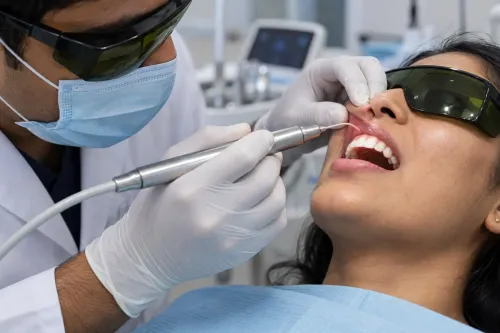
After diagnosis and planning, the teeth are cleaned and dried before each bracket is bonded to its selected tooth surface with dental adhesive. The orthodontist threads an archwire through the brackets and secures it with ties or clips.
1. During fitting, expect pressure as the orthodontist positions brackets and places the wire. This appointment does not move every tooth into its final position; the wire begins applying controlled force over time.
2. Afterward, brackets can rub against your cheeks or lips. Tenderness usually lasts for a few days after fitting and after later adjustments. Place a small amount of orthodontic wax over a sharp bracket to protect the sore area.
3. At review visits, the orthodontist checks tooth movement, bite contacts and oral hygiene. They then change, activate or reshape the wire according to your progress. Appointment intervals depend on the appliance and the stage of treatment.
4. Contact the clinic before the next visit if a bracket comes off, a wire protrudes, swelling appears, facial injury occurs or pain is severe and persistent. Do not bend or cut a wire yourself.
This orthodontic treatment process explains how braces treatment works: brackets and wires guide teeth through monitored, gradual movement rather than producing a finished result in one appointment.
How long will treatment take, and what will you need to do between visits?
Plan on about 18 to 24 months for fixed braces, but treat that range as an estimate, not a promise. Severe crowding, bite correction, extractions, jaw growth, missed appointments, broken appliances and inconsistent instructions can extend the schedule.
Your orthodontist should explain the orthodontic treatment process and provide an estimated range rather than guarantee an exact completion date.
1. Attend periodic adjustment or monitoring visits. The orthodontist checks movement and bite, then changes or activates the wire; repairs or updated records require extra appointments.
2. Brush with fluoride toothpaste around every bracket. Use an interdental brush or another recommended aid beneath the wire and between teeth, where plaque collects.
3. Limit frequent sugary drinks and snacks. Sugar and plaque trapped around brackets can cause white-spot lesions and cavities.
4. Avoid hard, sticky and chewy foods because they can loosen brackets or bend wires. Report damage promptly instead of waiting for the next visit; delayed repairs can interrupt tooth movement and lengthen treatment.
5. Keep routine dental examinations and professional cleaning appointments unless your dental team gives different instructions. Ask whether appointment times fit your school, work and travel commitments before starting.
For a braces appointment in Bangalore, reliability between visits is part of the treatment plan. Bring up travel or scheduling limits early so the proposed appointment pattern remains realistic.
What happens when braces come off, and what should you confirm before starting?
At the final visit, brackets are removed, adhesive is cleaned off, your bite is checked, and retainers are delivered or arranged. Removal is not the end: teeth can shift after braces, so retention is part of the orthodontic treatment process.
| Retainer type | Use | Confirm |
|---|---|---|
| Removable | Taken out for eating and cleaning | Delivery date, wear schedule and replacement cost |
| Fixed | Bonded behind selected teeth | Cleaning method, repair process and what happens if it loosens |
| Both | Combines fixed support with removable wear | Which retainer is essential and how long each is required |
Ask how long and how often you must wear the retainer. Long-term, often lifelong, use protects the result; delaying replacement after loss or poor fit can let teeth move.
Before choosing a provider, use your braces consultation Kammanahalli to confirm who will diagnose and supervise your case. Ask whether the plan follows a full examination, photographs, scans or X-rays, rather than an online photograph alone.
Request the fee in writing and check whether it includes photographs, scans or X-rays, adjustments, emergency repairs, brace removal and retainers. Ask for any proposed extraction decision and treatment alternatives in writing.
At Atlas Dental Clinic, use the consultation to test these process and fee details rather than treating the first appointment as a commitment. The same checklist helps you compare a braces appointment in Bangalore with the wider braces treatment process in Kammanahalli.
Related service
Braces Braces At Atlas Dental Clinic, Kammanahalli, Bangalore, we offer advanced braces treatment to correct misaligned teeth and improve your overall smile and... |
Frequently asked questions
What happens at a braces consultation in Kammanahalli?
The orthodontist reviews your medical and dental history, then examines your teeth, gums, bite and jaw relationship. They may recommend photographs, X-rays or digital scans before planning treatment.
Do your teeth need treatment before braces?
Treat tooth decay, gum disease, broken teeth and poor oral hygiene before braces. The orthodontist may also discuss extractions or other preparation when crowding or jaw alignment requires it.
How are braces fitted, and what does each visit feel like?
The orthodontist cleans and dries your teeth, bonds brackets to them, threads an archwire through the brackets and secures it with ties or clips. Fitting is not usually painful, but pressure and soreness can follow wire adjustments.
How long does braces treatment take?
Treatment length depends on crowding, bite, jaw growth, appliance choice and your response to treatment. Ask for an estimated timeline, expected appointment frequency and the consequences of missed visits.
What happens when braces come off?
The orthodontist removes the brackets and adhesive, checks your bite and fits retainers. Confirm the retainer type, wear schedule, replacement process and follow-up plan before treatment begins.
Keywords