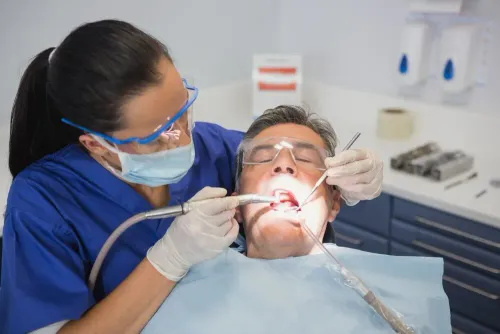
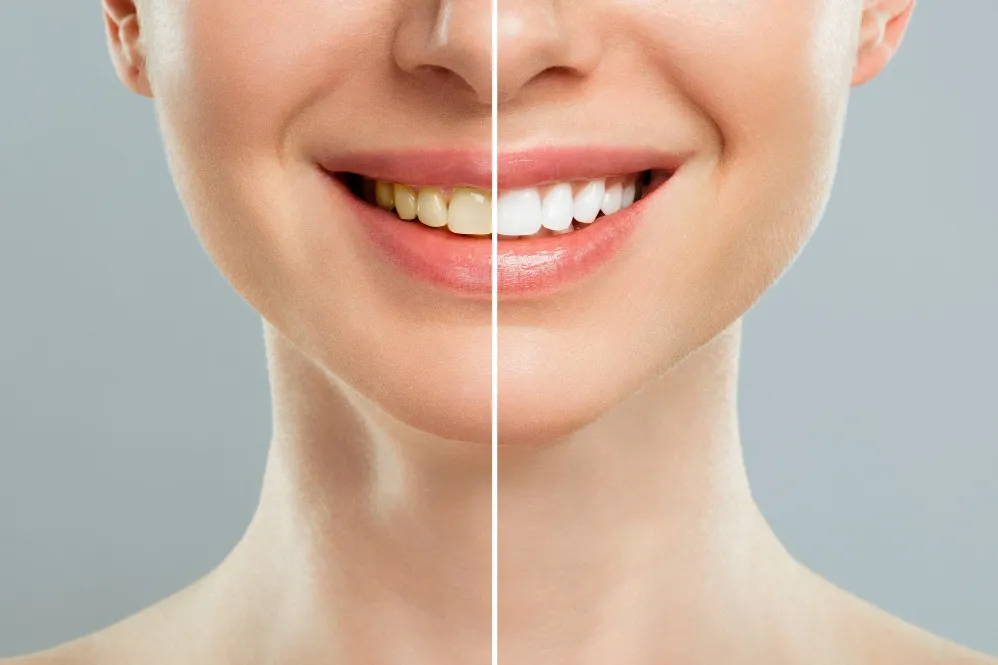
A brighter smile is a common cosmetic dentistry goal, but not every type of tooth discolouration responds in the same way. Before choosing Teeth Whitening in Kammanahalli, it helps to understand what whitening can change, what it cannot change, and why a dental assessment matters.
For Bengaluru patients comparing whitening products and professional treatment, the first step is identifying why the teeth appear darker.
Why Do Teeth Become Discoloured?
Surface staining can develop gradually through everyday habits and foods. Tea, coffee, certain strongly coloured foods, smoking, and tobacco use can contribute to staining.
Teeth can also change colour because of age, previous dental treatment, trauma, developmental factors, or changes within the tooth itself.
These differences matter because a whitening approach suitable for surface or generalised discolouration may not correct every internal colour change.
Professional Cleaning and Whitening Are Different
Patients sometimes book whitening when what they actually notice is external staining or tartar.
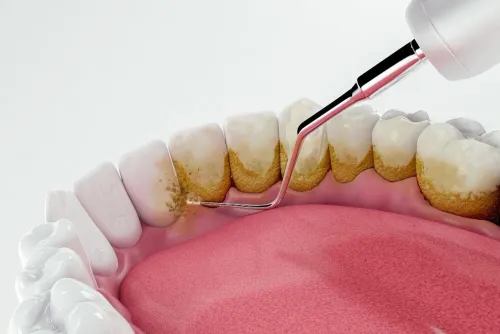
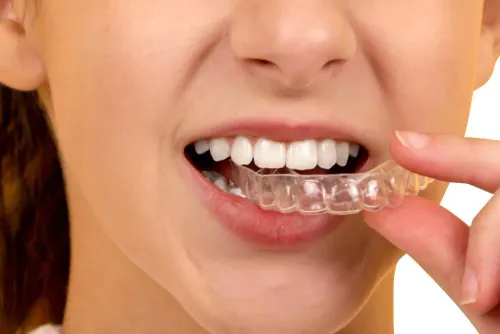
Professional dental cleaning removes plaque, tartar, and certain surface deposits. Whitening uses specific agents intended to lighten the colour of natural teeth.
Cleaning may make teeth appear fresher when staining has accumulated, but it is not the same procedure as bleaching. Likewise, whitening does not replace professional cleaning when deposits are present.
Existing Fillings and Crowns Do Not Whiten Like Natural Teeth
This is particularly important for patients who have visible crowns, veneers, or tooth-coloured fillings.
Whitening primarily changes the shade of natural tooth structure. Existing restorations generally do not lighten in the same manner. If a front tooth has a restoration matched to the current tooth colour, whitening surrounding teeth may create a visible shade difference.
Planning should therefore account for existing dental work.
What About Tooth Sensitivity?
Temporary sensitivity can occur during or after whitening treatment. Gum irritation is another possible concern when whitening products contact soft tissues.
Patients who already have sensitive teeth, gum recession, cavities, cracked teeth, or other untreated dental problems should have these assessed before whitening.
Using stronger or more frequent whitening products than directed does not necessarily produce a better result and can increase unwanted effects.
Who Should Have a Dental Assessment First?
A consultation is especially useful if you have:
- Persistent tooth sensitivity
- Cavities
- Gum problems
- Cracked or damaged teeth
- Multiple visible restorations
- A single tooth that is much darker than others
- Previous crowns or veneers
- Uncertainty about the cause of discolouration
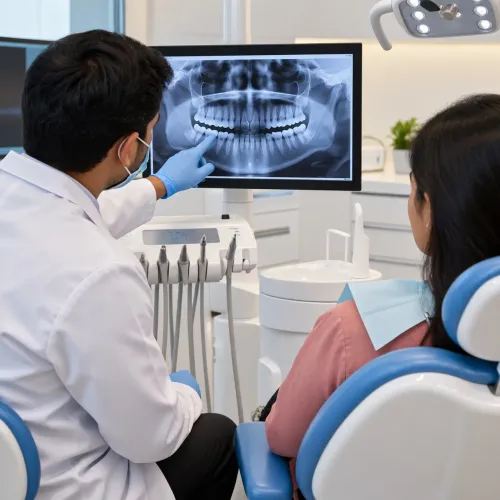
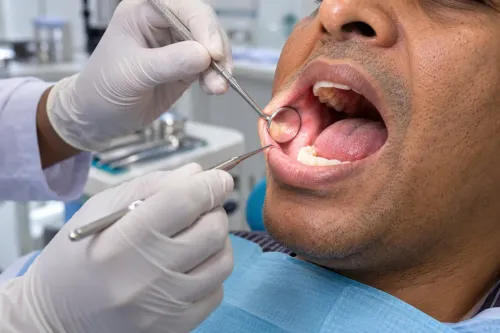
The goal is to determine whether whitening is suitable or whether another cosmetic or restorative option should be considered.
How Long Does Whitening Last?
There is no universal duration because lifestyle and oral habits influence how quickly staining returns.
Frequent tea or coffee consumption, smoking, tobacco use, and strongly pigmented foods can affect shade stability. Good oral hygiene and appropriate maintenance can help preserve the appearance achieved through treatment.
Whitening should therefore be viewed as a cosmetic treatment requiring sensible maintenance rather than a permanent colour change.
Patients exploring cosmetic dentistry at Atlas Dental Clinic in the Kammanahalli area can discuss whether whitening suits their teeth and existing restorations.
For people living or working in Bengaluru, Karnataka, the safest way to approach whitening is to focus on suitability rather than simply selecting the strongest product available. Healthy teeth and gums, realistic expectations, and an appropriate whitening method are more important than chasing an unnaturally bright shade.
Keywords