When a tooth becomes severely painful or damaged, patients often assume there are only two choices: tolerate the discomfort or remove the tooth. In reality, Root Canal Treatment in Kammanahalli may allow certain teeth to be retained when the inner dental pulp has become inflamed or infected and the tooth is otherwise suitable for restoration.
The decision between root canal treatment and extraction should be based on the condition and restorability of the tooth.
When Is Root Canal Treatment Considered?
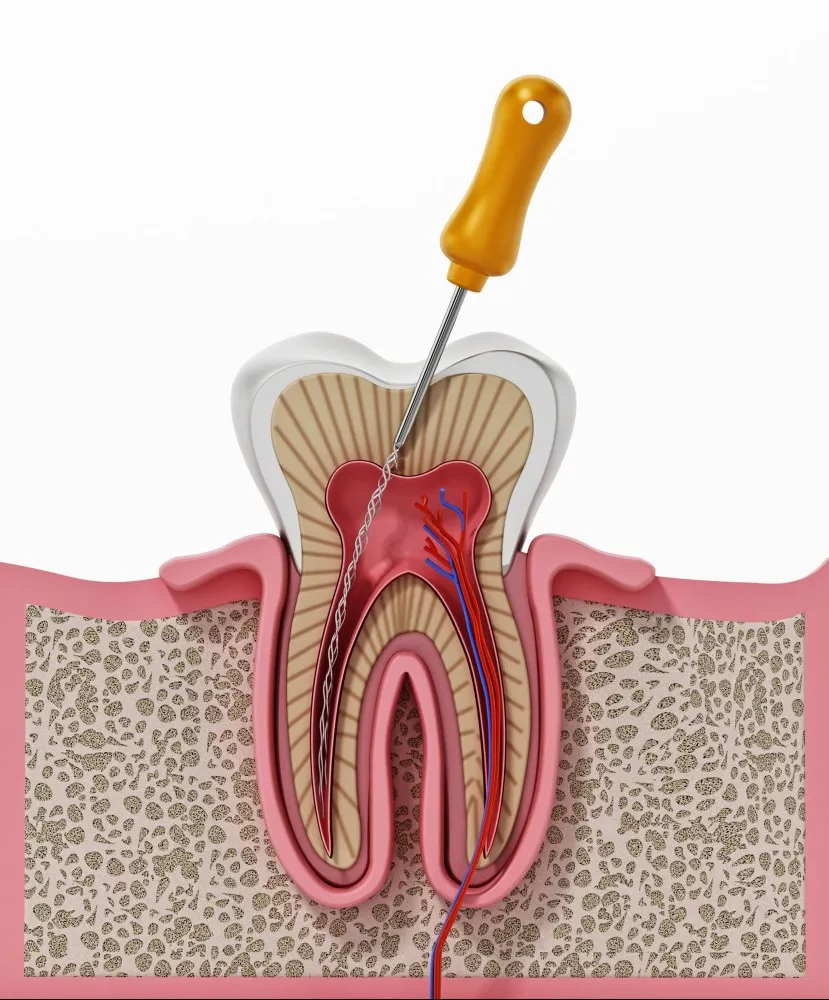
Inside every natural tooth is a space containing pulp tissue. Deep decay, cracks, trauma, or other damage can affect this tissue.
Symptoms that may lead to a root canal assessment include:
- Persistent or severe toothache
- Prolonged sensitivity
- Pain while biting
- Swelling around a tooth
- Gum tenderness
- A deeply decayed or fractured tooth
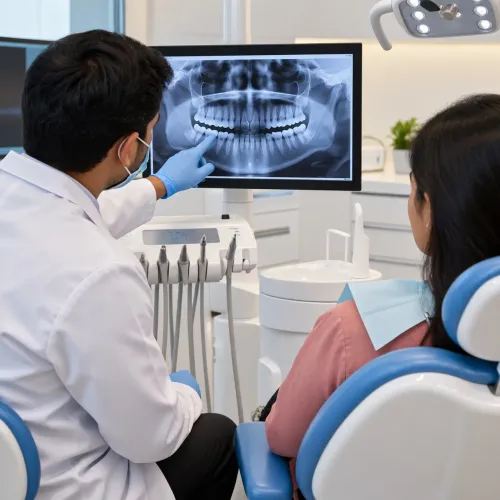
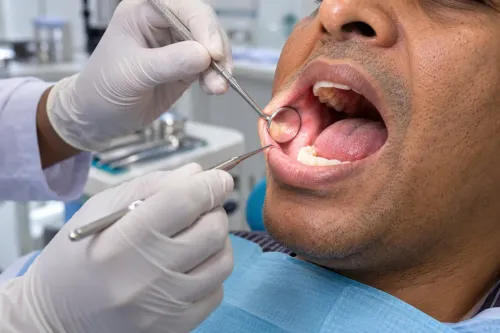
Not every toothache requires root canal treatment. Examination and, when appropriate, dental imaging help determine the cause.
What Happens During Root Canal Treatment?
The objective is to treat the affected internal space while retaining the natural tooth.
During treatment, the dentist accesses the inside of the tooth, cleans and shapes the root canal system, and fills the prepared space. The tooth then requires an appropriate restoration.
Depending on the amount of remaining tooth structure and the tooth involved, a crown or another restorative approach may be recommended to help protect it.
When Might Extraction Be Considered?
Saving a natural tooth is desirable when it has a reasonable restorative outlook, but some teeth cannot predictably be restored.
Extraction may be discussed when there is extensive structural destruction, an unfavourable fracture, severe supporting tissue problems, or another condition that makes retaining the tooth impractical.
If extraction is necessary, patients should also understand what happens to the resulting gap. Depending on the situation, replacement possibilities can include an implant, bridge, or removable prosthesis.
Comparing the Two Options
Root canal treatment retains the natural tooth and can help preserve normal function. However, it requires sufficient remaining tooth structure and may involve subsequent restorative treatment.
Extraction removes the affected tooth. While this may resolve a tooth that cannot be retained, the patient may then need to consider replacement.
The correct question is therefore not simply, “Which procedure costs less today?” It is, “Can this tooth be predictably restored, and what are the long-term implications of each option?”
Does Root Canal Treatment Hurt?
Modern dental anaesthesia is used to manage discomfort during the procedure. The experience depends on the tooth and clinical situation.
Some tenderness after treatment can occur. Patients should follow the dentist’s aftercare advice and report significant or worsening symptoms.
The widespread idea that every root canal is extremely painful often reflects the pain caused by the diseased tooth rather than the purpose of the procedure itself.
What Should Patients Ask Before Deciding?
Before treatment, ask:
- What is causing the problem?
- Can the tooth be restored?
- Will it require a crown afterward?
- Are there alternative treatments?
- What happens if treatment is delayed?
- If extraction is required, should the tooth be replaced?
At Atlas Dental Clinic, patients considering root canal treatment around Kammanahalli can have the affected tooth evaluated before deciding on treatment.
For Bengaluru patients, retaining a natural tooth can be worthwhile when its condition allows it. Equally, attempting to preserve a tooth with an unsuitable prognosis may not always be appropriate. A clinical assessment provides the information needed to distinguish between those situations and select treatment according to the actual condition of the tooth.
Keywords