Clear aligners have become a popular choice among adults and teenagers who want orthodontic treatment without conventional fixed braces. Yet their discreet appearance can make the process seem simpler than it really is.
Patients considering Invisalign and Aligners in Hennur should understand that aligners are orthodontic appliances. Successful treatment requires diagnosis, planning, appropriate case selection, patient cooperation, and ongoing supervision.
How Do Clear Aligners Work?
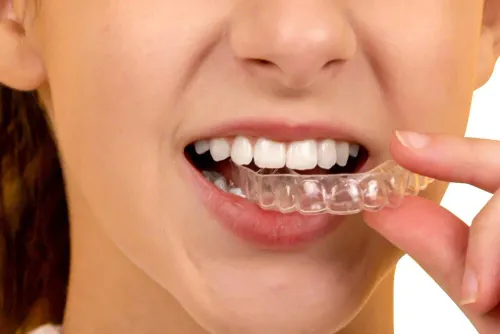
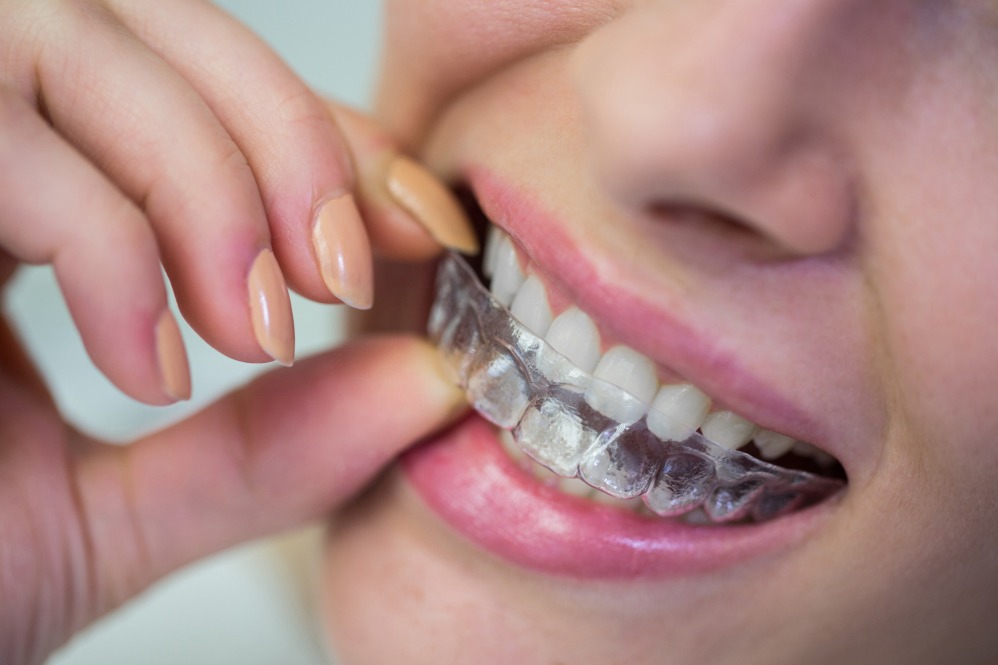
Clear aligner treatment uses a planned sequence of removable trays designed to guide teeth through prescribed movements.
Patients usually progress through different aligners according to the treatment schedule given by their dental provider. The trays must generally be worn consistently for the recommended daily duration and removed according to instructions for eating, cleaning, and oral hygiene.
Simply receiving a set of trays is not the same as receiving complete orthodontic care.
Are Aligners Suitable for Everyone?
Not necessarily.
Suitability depends on the position of the teeth, bite relationship, complexity of movement required, gum health, dental restorations, and other clinical factors.
Some cases can be treated effectively with aligners, while others may require different orthodontic mechanics or another approach.
This is why an in-person assessment is important before committing to treatment.
What Should Be Checked Before Treatment?
Before orthodontic tooth movement begins, the dental team may evaluate:
- Teeth and gum health
- Existing cavities
- Bite relationships
- Crowding or spacing
- Existing crowns or restorations
- Relevant dental history
- Patient expectations
- Ability to follow the wear schedule
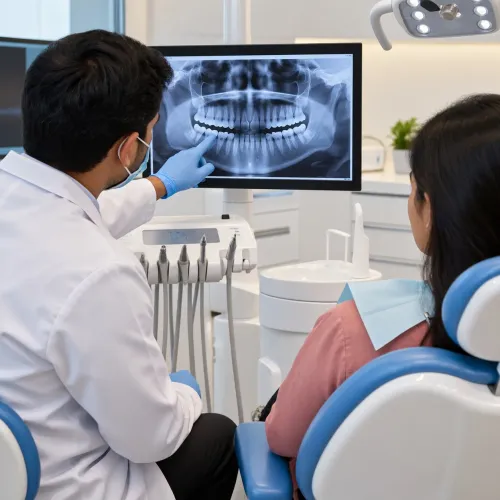
Records such as photographs, scans, impressions, or dental imaging may be used depending on the treatment plan.
Active dental problems generally need to be managed appropriately before or alongside orthodontic care.
Aligners Versus Braces
Clear aligners offer several practical advantages for suitable patients. They are removable and less visually noticeable, and patients can take them out for meals and oral hygiene.
That removability also creates a responsibility: treatment depends heavily on consistent wear.
Fixed braces remain attached to the teeth and can be useful for a wide variety of orthodontic situations. Neither option is universally superior. The better choice depends on the movements required, patient preferences, and clinical complexity.
Common Mistakes to Avoid
One frequent mistake is choosing treatment based only on a promotional price.
Patients should understand what the quoted plan includes, whether clinical reviews are included, how refinements are handled, and what happens after active tooth movement.
Another mistake is assuming teeth will remain in their corrected position permanently without retention.
Retainers are an important part of orthodontic care because teeth can shift after active treatment. The recommended retention plan should be discussed before treatment starts rather than treated as an afterthought.
What Should You Ask During an Aligner Consultation?
Useful questions include:
- Is my case suitable for clear aligners?
- What bite or alignment problems are being treated?
- What level of improvement is realistically expected?
- How often will progress be reviewed?
- What happens if teeth do not move as planned?
- Will refinements be necessary?
- What retention will I need afterward?
At Atlas Dental Clinic, patients considering aligner treatment around Hennur can undergo an assessment to determine whether clear aligners are appropriate for their dental condition.
For working professionals and families in Bengaluru, Karnataka, aligners can provide a discreet orthodontic option, but convenience should not replace proper clinical planning. The strongest treatment plan is one that considers tooth movement, bite, oral health, compliance, and long-term retention together.
Keywords