Patients unhappy with the colour, shape, spacing, or appearance of their front teeth often encounter three cosmetic options: whitening, dental bonding, and veneers. While all three can improve aspects of a smile, they solve different problems.
For people considering Dental Veneers in HBR Layout, understanding these differences is essential before deciding to alter healthy tooth structure.
What Are Dental Veneers?
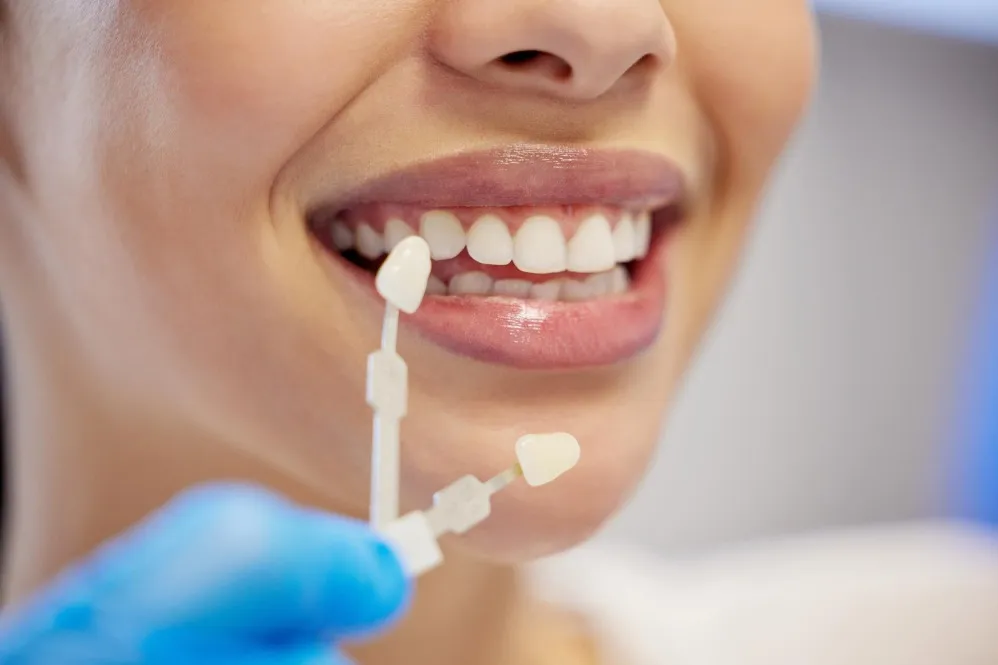
Veneers are thin restorations placed over the visible surface of selected teeth. They can be considered for certain cosmetic concerns involving tooth colour, shape, proportions, minor irregularities, or other aesthetic issues.
Different materials and techniques may be used depending on the case.
Veneer treatment requires careful assessment because the final appearance is influenced by tooth position, bite, gum levels, underlying tooth colour, facial proportions, and the patient’s expectations.
When Is Whitening More Appropriate?
If the main concern is generalised tooth discolouration and the teeth are otherwise healthy and well shaped, whitening may be a more conservative starting point.
Whitening changes the shade of natural teeth but does not significantly change tooth shape, close substantial spaces, or repair structural defects.
Existing crowns, veneers, and fillings also do not whiten in the same manner as natural teeth.
What Is Dental Bonding?
Dental bonding generally involves applying tooth-coloured restorative material to alter or repair parts of a tooth.
Depending on the situation, bonding can help with small chips, minor shape changes, or limited aesthetic corrections. It can sometimes require less alteration of natural tooth structure than other cosmetic approaches.
However, material characteristics, staining behaviour, durability, and suitability differ from veneers. The best option depends on the specific cosmetic problem and bite.
When Might Veneers Be Considered?
A dentist may discuss veneers when a patient wants to address several aesthetic characteristics simultaneously.
Possible considerations include:
- Persistent discolouration not suited to simple whitening
- Selected shape or proportion concerns
- Certain chipped or worn teeth
- Minor aesthetic irregularities
- Smile-design requirements involving several front teeth
These examples do not mean veneers are automatically indicated. Every tooth should be assessed individually.
What Should Be Checked Before Veneers?
Healthy foundations matter.
Active cavities and gum disease generally need attention before elective cosmetic treatment. Bite forces are also important because excessive loading or tooth grinding can affect restorations.
Patients who clench or grind should tell their dentist during planning.
Aesthetic planning should also consider how the proposed teeth will look with the patient’s face and smile rather than selecting an excessively uniform appearance from photographs alone.
Avoid Choosing Cosmetic Dentistry by Price Alone
Comparing only per-tooth pricing can overlook significant differences in treatment planning, materials, laboratory processes, preparation requirements, and aftercare.
A useful consultation should clarify how many teeth actually need treatment and whether a less invasive alternative could meet the same objective.
At Atlas Dental Clinic, patients considering veneers around HBR Layout can have their teeth, gums, bite, and aesthetic concerns assessed before selecting a cosmetic procedure.
For Bengaluru cosmetic dentistry patients, the most appropriate option is not necessarily the one that produces the biggest change. Sometimes whitening is enough. Sometimes bonding provides the required correction. In other situations, carefully planned veneers may be considered.
The aim should be an appearance that works with healthy oral tissues, functional bite relationships, and realistic long-term maintenance not simply the fastest cosmetic transformation.
Keywords