Missing teeth can affect more than appearance. Depending on which teeth are absent, patients may notice changes in chewing, speech, confidence, or the way remaining teeth function. For suitable patients, Dental Implants in Kacharakanahalli may provide a fixed option for replacing one or more missing teeth.
Understanding how implant treatment works helps patients make decisions based on oral health rather than advertisements or price alone.
What Is a Dental Implant?
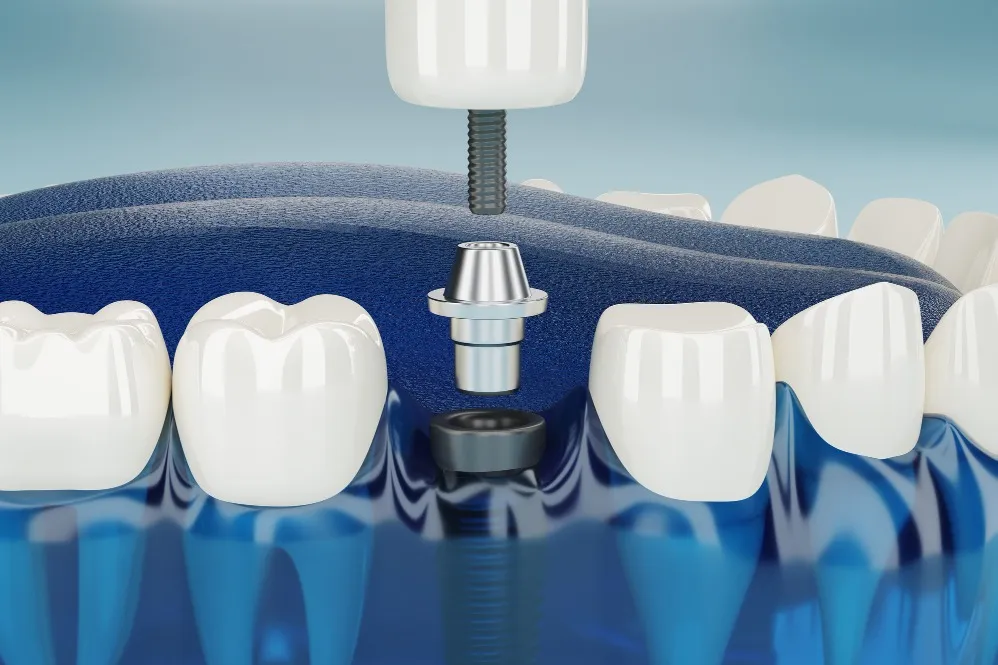
A dental implant is a fixture placed into the jawbone to support a replacement tooth. After appropriate healing and integration, a dental restoration such as a crown can be attached.
Implants may be considered in different situations, including replacement of a single missing tooth or as part of a plan for multiple missing teeth.
However, implants are not automatically appropriate for every patient.
What Is Checked Before Implant Treatment?
A proper assessment is an important part of implant planning. The dentist needs to evaluate the condition of the mouth and the proposed implant site.
Factors that may be considered include:
- Available bone
- Gum health
- Location of the missing tooth
- Bite forces
- Nearby anatomical structures
- Existing dental disease
- Oral hygiene
- Smoking or tobacco use
- Relevant medical history and medications
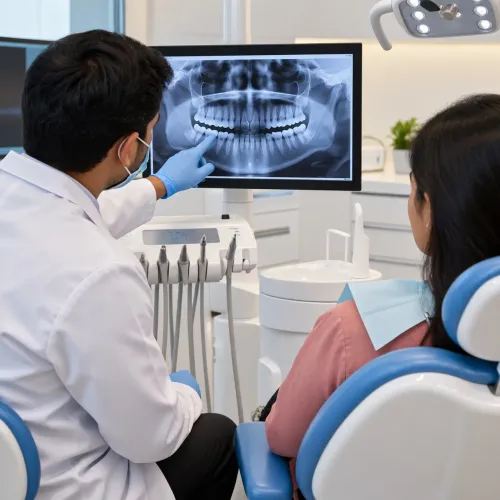
Dental imaging may be recommended to understand the bone and surrounding structures more clearly.
Some patients may need additional procedures before implant placement, while others may have alternative tooth-replacement options that better suit their circumstances.
Implant Versus Bridge
Patients often compare implants with conventional dental bridges.
A traditional bridge generally uses neighbouring teeth for support. An implant-supported crown, in appropriate cases, can replace a missing tooth without preparing adjacent teeth specifically to support that restoration.
That does not mean an implant is always the better choice. Bridges can be useful in many clinical situations. The health of neighbouring teeth, bone availability, treatment time, maintenance requirements, cost, and patient preference all influence the decision.
Is Implant Treatment Immediate?
Implant dentistry often involves stages.
The treatment sequence can include assessment, treatment planning, implant placement, a healing period, and placement of the final restoration. The exact timeline varies according to bone quality, implant stability, healing response, the site being treated, and whether additional procedures are required.
Patients should therefore be cautious about assuming that every implant case follows an identical timeline.
What About Pain?
Implant placement is performed with appropriate anaesthesia. Experiences after the procedure vary, and temporary soreness or swelling can occur.
The dentist generally provides aftercare instructions covering oral hygiene, diet, medication when prescribed, and activities to avoid during initial healing.
Unexpected or increasing symptoms should be reported to the treating clinic.
Implants Still Need Maintenance
An implant-supported tooth cannot develop decay in the same way as a natural tooth, but the tissues around an implant still require care.
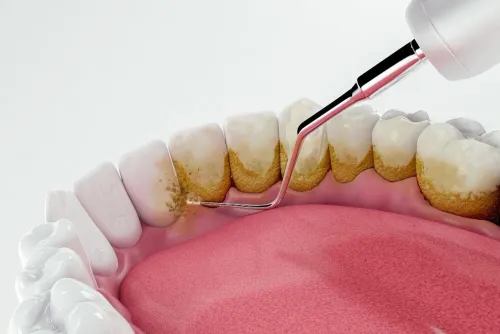
Plaque accumulation can affect surrounding gum and bone. Long-term maintenance therefore includes effective brushing, cleaning between teeth and around implant restorations, and periodic professional review.
Patients who grind their teeth may also need their bite and restorations assessed.
Making an Informed Choice in Bengaluru
For residents considering implant dentistry around Kacharakanahalli, Bengaluru, Karnataka, treatment planning should come before choosing an implant based on price or brand.
At Atlas Dental Clinic, implant suitability can be assessed in the context of the patient’s oral condition and replacement goals. A useful consultation should explain whether an implant is appropriate, what alternatives exist, how many treatment stages may be involved, and what ongoing maintenance will be necessary.
Dental implants can be a valuable tooth-replacement option, but their success depends on appropriate case selection, careful treatment planning, healing, and long-term oral hygiene. Understanding those factors before beginning treatment makes the decision considerably clearer.
Keywords