The first hours after a tooth is removed determine whether the blood clot stays in place and how comfortably the socket heals. You will know what to do with gauze, food, medicines, commuting, brushing and follow-up, plus which symptoms need prompt dental care.
Key takeaways
- Bite firmly on gauze for 30 to 60 minutes without chewing it.
- Avoid smoking, alcohol, vigorous rinsing and straws for the first 24 to 72 hours.
- Use prescribed medicines exactly as directed and ask before taking painkillers.
- Seek dental advice for persistent bleeding, worsening swelling, fever or severe pain.
What happens in the first hour and first night after removal?
The first hour after tooth removal in Bengaluru centres on protecting the fresh blood clot. Bite firmly on the gauze or cotton roll placed over the socket for 30 to 60 minutes, keeping steady pressure rather than chewing it. The clot seals small blood vessels; pulling it loose can restart bleeding and expose the socket.
1. Keep the gauze in place for the time your dentist gave you. Replace it only if active bleeding continues, using fresh gauze and another firm 30-minute bite. Pink or blood-stained saliva during the first day is common; repeated spitting can disturb the clot.
2. Expect numbness in the lip, cheek, tongue or gum for several hours. Do not chew until sensation returns, and avoid hot food or drinks because you could burn or bite yourself. Choose cool, soft foods and sip water without a straw.
3. Follow the discharge sheet for medicines, eating, activity and review timing. Do not rinse vigorously, spit forcefully, brush directly over the socket or smoke during the first 24 hours.
At home that night, rest with your head slightly raised and keep the area undisturbed. Do not probe the socket with your tongue or fingers. Contact the clinic if firm gauze pressure fails to control heavy bleeding, or if you feel faint, develop breathing difficulty or cannot swallow.
How do you protect the socket during the first 24 to 72 hours?
Good tooth extraction aftercare in Bengaluru starts with leaving the blood clot undisturbed. Bite firmly on the gauze or cotton roll for 30–60 minutes; replace it only if active bleeding continues. Swallow saliva rather than spitting, because repeated force can pull the clot out. Blood-stained saliva during the first day is common.
- Eat soft, cool or lukewarm foods such as curd, khichdi, mashed vegetables and scrambled egg. Chew on the opposite side, and avoid hot food, hard crumbs and spicy dishes for the first 24 hours.
- Drink from a cup, not a straw. Do not rinse vigorously, spit forcefully or brush across the socket during the first day. After 24 hours, gently bathe the area with warm salt water after meals if your dentist has not given different instructions.
- Sleep with your head raised on two pillows for the first night. Avoid bending repeatedly, smoking, tobacco, alcohol and strenuous exercise for at least 48–72 hours.
- Plan light work or school for the first day. Bengaluru heat, traffic and long two-wheeler journeys can worsen discomfort, so choose a cool route, carry water and avoid rushing.
- Travel only when bleeding is controlled and you can reach dental care if it restarts. Keep the socket protected during routine activities rather than checking it with your tongue.
A visible hole or food collecting there does not mean healing has failed. Do not pick at it; the gum closes over weeks while the underlying bone remodels for months.
How should you manage pain, swelling, bleeding and medicines?
Good tooth extraction recovery advice in Bengaluru starts with a cold pack: wrap it in cloth, hold it against the cheek for 15–20 minutes, then remove it for 15–20 minutes during the first 24 hours. Take paracetamol or ibuprofen only if medically suitable and follow the prescribed dose or label.
Do not add aspirin for pain unless a clinician directs it.
- Tell the dentist about diabetes, immune suppression, pregnancy, bleeding disorders, heart conditions, previous jaw radiotherapy, antiresorptive medicines and every medicine you take.
- If you use warfarin, a direct oral anticoagulant, aspirin or clopidogrel, do not stop it yourself. Your dentist and prescribing clinician can plan pressure, sutures, haemostatic material or tranexamic-acid measures when appropriate.
- Expect mild oozing or blood-tinged saliva after extraction. Bite firmly on clean gauze for the instructed period; contact the clinic if bleeding continues despite sustained firm pressure.
- Do not start leftover antibiotics. They do not treat ordinary extraction pain and are reserved for a diagnosed infection or a specific preventive indication.
- Seek urgent assessment for rapidly increasing facial or neck swelling, breathing or swallowing difficulty, fever with worsening swelling, pus, uncontrolled severe pain or persistent heavy bleeding.
- After lower wisdom-tooth surgery, report persistent or worsening numbness, tingling, altered taste or difficulty opening your mouth; these symptoms can involve the inferior alveolar or lingual nerve and need review.
How does the socket heal, and when can you clean it normally?
The socket usually needs a few weeks for the gum to close, but the bone beneath it continues remodelling for several months. Tooth extraction healing in Bengaluru follows the same biology as elsewhere; heat, commuting and daily schedules do not make the wound close faster.
| Type of removal | Early gum healing | What to expect |
|---|---|---|
| Simple extraction | About 1–2 weeks | A small opening may remain, with occasional food collecting |
| Surgical extraction | Several weeks | Swelling, a larger wound and stitches can extend recovery |
| Wisdom-tooth removal | Several weeks | Lower-jaw sites need closer review because dry socket and nerve symptoms are more relevant |
Do not brush directly over the socket or rinse vigorously during the first 24 hours. From the next day, brush the other teeth normally and clean near the area with a soft toothbrush; do not force bristles into the hole.
Gentle warm salt-water rinses after meals can loosen food, but let the solution fall out rather than spitting forcefully.
- Use the stitch instructions given by the dentist; dissolvable sutures disappear on their own, while non-dissolving sutures require removal at review.
- Attend the planned check after surgical or wisdom-tooth removal, bone grafting, implant planning or persistent symptoms.
- Seek assessment for severe throbbing pain appearing after several days, foul taste, worsening swelling, fever, or persistent numbness or tingling.
A visible hole is not automatically a problem. Contact the clinic if pain worsens instead of steadily easing, because dry socket needs examination and local treatment rather than leftover antibiotics.
What should happen at the dental follow-up?
A follow-up checks whether the clot and gum are healing, whether infection is developing, and whether pain is settling. The dentist may remove non-dissolving sutures, examine swelling, check mouth opening, and confirm that cleaning can progress safely.
Contact the clinic promptly if pain becomes severe or worsens two to five days later, especially with a bad taste, foul smell, or an apparently empty socket; these signs suggest dry socket. After lower wisdom-tooth surgery, report persistent or worsening numbness, tingling, altered taste, or difficulty opening your mouth.
The inferior alveolar or lingual nerve can lie close to the roots, so sensory changes need assessment rather than dismissal.
Your medical history changes the review and medication plan. Tell the dentist before treatment about diabetes, immune suppression, previous jaw radiotherapy, antiresorptive medicines, pregnancy, bleeding disorders, heart conditions, and every medicine you take, including anticoagulants. Do not start antibiotics or alter blood thinners without clinical instructions.
At a dental extraction follow up in Bengaluru, ask what the examination found and what happens next:
- Confirm whether healing is sufficient for an implant, bridge, or denture, or whether more time is needed.
- Ask when non-dissolving sutures, if present, will be removed.
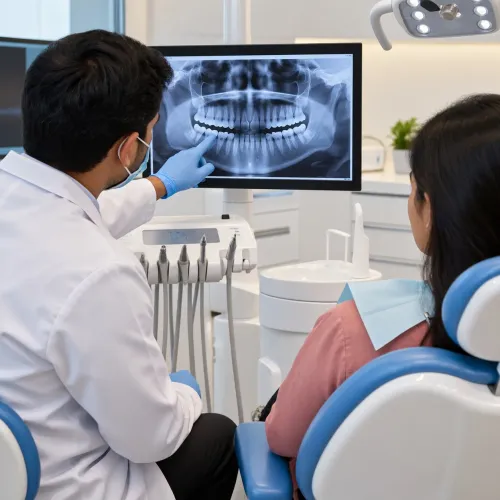
- Discuss whether bone grafting or an X-ray is needed before replacement.
- Clarify warning signs and the next review date.
Atlas Dental Clinic can use this review to compare replacement timing against bone healing, neighbouring teeth, bite function, and your medical risks rather than choosing an implant, bridge, or denture by default.
Related services
Tooth Extraction At Atlas Dental Clinic, Kammanahalli, Bangalore, we provide safe and comfortable tooth extraction procedures for severely damaged, decayed, or... View service → |
Dental Implants At Atlas Dental Clinic, Kammanahalli, Bangalore, we offer advanced dental implant treatment to permanently replace missing teeth with strong,... View service → |
Frequently asked questions
What happens during the first hour and first night after tooth removal?
You bite firmly on the gauze for 30 to 60 minutes to help the blood clot form. Rest with your head raised, avoid vigorous rinsing, and follow the clinic’s instructions overnight.
How do you protect the socket during the first 24 to 72 hours?
Do not smoke, drink alcohol, use straws, spit forcefully or disturb the socket. Choose soft foods, chew away from the extraction site and avoid strenuous activity at first.
How should you manage pain, swelling, bleeding and medicines?
Use prescribed medicines exactly as directed. Apply a cold pack outside the cheek in short intervals, and contact the clinic if firm gauze pressure does not control bleeding or symptoms worsen.
When can you clean your mouth normally after extraction?
Brush the other teeth carefully and avoid the socket at first. Follow the dentist’s timing for gentle rinsing; return to normal cleaning as the site closes and tenderness settles.
What happens at a dental extraction follow-up in Bengaluru?
The dentist checks the socket for healing, infection, persistent bleeding or exposed bone, reviews your symptoms and removes any non-dissolving stitches when appropriate.
Keywords